

Grandparents play an irreplaceable role in family life: they convey identity and values, provide emotional stability, complement parental upbringing, and build bridges between generations. Their role is not to replace or direct parents but to accompany, support, and enrich daily life with experience, affection, and wisdom. When performed correctly, their role strengthens the family, promotes the holistic development of children, and contributes to social cohesion.
Roots and Identity: Guardians of Memory
Grandparents connect their grandchildren to their history through family stories, traditions, beliefs, and memories of past efforts and achievements, fostering a sense of belonging. This transmission of identity – “who we are” and “where we come from” – strengthens self-esteem and a sense of rootedness, which are crucial for navigating life with confidence.
Shared memories also act as an antidote to cultural relativism: they provide stable criteria and points of reference in a changing world.
“Grandparents are a precious treasure, where the wisdom of years and the love of life reside.”
Stable Affection: A Safe Haven
Their calm and constant presence provides emotional security, reduces fears, and helps tolerate frustration. Grandparents often have the time and patience to listen. In a digital age, their “long view” – less reactive, more reflective – helps prioritise what truly matters and teaches that happiness doesn’t depend on instant gratification.
Grandparents’ affection is both demanding and loving: they encourage without overprotecting, support without being intrusive, and comfort without fostering dependency.
“Love is the bond that connects generations and holds families together.”
Complementary Education: Support, Not Replacement
Parenting means balancing freedom and responsibility. Grandparents can be allies to parents in maintaining habits, boundaries, and routines (schedules, chores, courtesy). The educational authority remains with the parents. Grandparents support decisions and household consistency, avoiding contradictions and agreeing on shared rules.
The best help is practical and discreet: modelling virtues (gratitude, effort, respect), sharing stories with moral lessons, and encouraging curiosity and reading.
“Knowing where we come from gives us the strength to shape our own lives.”
– Maya Angelou
Intergenerational Bridges: Dialogue and Culture
Grandparents open windows to both the past and the present: they teach crafts, games, recipes, songs, and how to communicate without screens, and to engage in respectful discussions. They can introduce grandchildren to the beauty of everyday life (observing, appreciating, creating), fostering attention, wonder, and creative thinking.
Time spent together (walking, gardening, cooking, crafting, reading) teaches without formal lessons: it is a quiet, meaningful form of learning.
“The wisdom of a grandparent is the compass that guides the family on its journey.”
Support for Work-Life Balance: Proximity That Relieves
In families with active work lives, grandparents ease logistics and caregiving (pick-ups, snacks, afternoons at home) without turning the home into a “daycare centre.”
Support should be agreed upon and realistic: helping without “rescuing,” caring without “taking over,” and respecting parental guidelines on health, screen time, and schedules. Coordination and communication help avoid tensions and strengthen family bonds.
Wisdom in Setting Boundaries: Love Without Disempowering
Four common mistakes to avoid:
- Contradicting parents in front of the children.
- Dismissing parents’ methods (“back in my day…” as a judgment rather than a learning opportunity).
- Replacing discipline with constant rewards.
- Turning help into control (making decisions without consulting parents).
Three golden rules:
- Consistency: Deliver the same core messages and rules.
- Respect: Parents have the final say in parenting matters.
- Humility: Use experience as support, not as a standard.
Grandparents in the Digital Era: Emotional Education and Judgment
Grandparents can teach “digital intimacy,” analogous to the intimacy of home life: privacy, respect, mindfulness of one’s body and time.
They promote critical thinking about content (e.g., pornography, violence, trivialisation): helping distinguish between entertainment and culture, between pleasure and what is good.
The best parental filter is presence: shared meals, conversations, reading, and playing together; they offer attractive alternatives to compulsive screen use.
Grandparents and Values/Faith: Roots That Nourish
If the family practices a faith, grandparents can pass it on through examples, stories, and simple rituals (celebrations, short prayers, acts of kindness). Consistency – not moralising – is the most convincing language: daily life filled with generosity, forgiveness, patience, and service.
Grandparents and Adolescence: Calm Strength and Patient Listening
During adolescence, grandparents help “de-dramatise”: they separate the essential from the trivial, offer perspective, and provide hope.
They practice “positive frustration”: encouraging effort, rewarding perseverance, and not replacing pain with instant gratification. Their role is that of a “significant adult”: available, trustworthy, but not intrusive.
Practical Keys for the Grandparent-Parent Relationship
- Respect the autonomy of the new household.
- Maintain clear and friendly communication (expectations, boundaries, support).
- Cultivate mutual gratitude and appreciation.
- Avoid competing for the children’s affection.
- Be flexible during changes and life stages (e.g., births, relocations, crises).
- Foster admiration: see and express the good in one another.
Conclusion
A good grandparent is not someone who “rescues” or “spoils” but someone who strengthens, guides, and enriches the family with time, experience, and steadfast love. Their presence serves as a school of identity, affection, and meaning – a quiet force that integrates the past and future into everyday life.
When grandparents fulfil their role with wisdom, consistency, and tenderness, the family becomes more human, freer, and happier.
Reflection Questions
- How can grandparents in your family take on a supportive role without undermining parental authority?
- What traditions, values, or stories from your own family history could you pass on to the next generation to strengthen identity and cohesion?
- How can the relationship between grandparents, parents, and grandchildren be designed to foster mutual respect, clear communication, and shared goals?
Your Opinion?
Author
Dr. Karl-Maria de Molina
CEO & Co-Founder ThinkSimple.io
Project Manager and Chairman of Family Valued
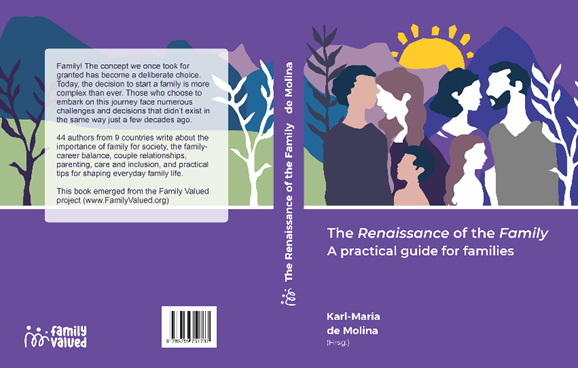
More Information in the book: https://backup.hellas-media.gr/en/renaissance-der-familie-2/
#familyvalued #Therenaissanceofthefamily #FamilyCareerBalance #Kindergarden #Care #Inclusion #Strongfamilies ##worklifebalance #Motherhood #demography #familyandsociety #couplerelationship #parenting #grandparents #CareWork #Parenting #Parenthood #Carework #WorkFamilyEnrichment #Parenting #RaisingChildren #Mindset #Family #ParentingSkills #Relationship