

The demands of work and private life are high – and often simultaneous. Successfully balancing both in a sustainable way requires more than good intentions: it’s about clear agreements, meaningful routines, and mastering your personal boundaries. The following strategies can help harmonise work responsibilities with family duties – without neglecting your own health.
Below is a comprehensive list. You may find one or two points that resonate with you.
Communicate Clearly: Manage Expectations, Avoid Misunderstandings
- Visible availability: Keep your calendar up to date. Clearly mark your core working hours when you are available, and block off family time or caregiving appointments. Use status functions in chat tools (e.g., “focused work,” “childcare”).
- Define response times: Communicate how quickly you will respond to emails, chats, or calls – for example, “within 24 hours” for emails, “within 2 hours” for urgent chat messages.
- Agree on escalation paths: Establish with your team and manager how to contact you in genuine emergencies. This protects your downtime and prevents constant accessibility.
- Clarify expectations: Regularly align on which outcomes are expected by when – this creates predictability, especially when working flexibly.
“The most important work you will ever do will be within the walls of your own home.”
– Stephen R. Covey
Prioritise and Plan: Less Hustle, More Impact
- Weekly planning with buffers: Plan your week on Friday or Monday morning. Block 10–20% of your time as a buffer for unexpected events – such as a child’s sick day, ad-hoc meetings, or client requests.
- Daily structure with energy curves: Schedule demanding tasks during your peak performance hours. Routine tasks can be tackled during lower-energy phases – such as after lunch.
- Focus windows: Reserve 1–2 uninterrupted hours daily for concentrated work. Communicate these time slots to your team.
- Visibility of priorities: Use a short, shared priority list (top three for the week and the day). This helps others understand what takes precedence.
“It’s not about dividing time between work and family but about integrating both areas so they enrich each other.”
– Nuria Chinchilla
Protect Boundaries: Rest Is Part of Performance
- Digital hygiene: Turn off push notifications after work hours or use focus or “do not disturb” modes. Separate personal and work devices or profiles.
- Evening rituals: A short walk, tidying up your desk, or a “shutdown checklist” ritual signals the end of your workday.
- Micro-breaks and recovery moments: Take 3–5-minute breaks every 60–90 minutes. For remote work, consciously include movement, such as climbing stairs, stretching, or fetching water.
- Set verbal boundaries: Phrase your limits kindly but clearly: “I’m available until 4 pm today, and again from 9 am tomorrow.” Consistency earns respect.
“The heaviest burden a child can carry is the unlived life of its parents.”
– Carl Gustav Jung
Know and Use Your Rights: Actively Leverage Opportunities
- Legal options: Familiarise yourself with your entitlements to part-time work, parental leave, caregiving leave, short-term work absences, and special leave. These rights act as safety nets for exceptional circumstances.
- Company offerings: Check internal policies on remote work, flexible hours, time-off accounts, emergency childcare, or subsidies for childcare or caregiving advice.
- Documentation: Record agreements in writing (e.g., hybrid models, core hours, or temporary hour reductions). This facilitates planning and prevents misunderstandings.
- Seek advice: HR, works councils, and equality or family officers are valuable resources, even for sensitive topics.
“Children don’t need perfect parents. They need authentic parents who know their limits and lovingly care for themselves.”
– Jesper Juul
Leverage Networks: Benefit from Experience and Support
- Internal communities: Parent or caregiving networks offer tips, resources on childcare options, material collections, and often direct relief (e.g., shift swaps).
- External resources: Local family services, caregiving support centres, parent associations, and neighbourhood networks provide flexibility during peak times.
- Mentoring and peer groups: Seek role models who successfully balance work and family. Regular short check-ins with a peer group help maintain focus and provide new perspectives.
“You can’t do everything. But you can do what truly matters.”
– Brené Brown
Agreements at Work and Home: Coordination Creates Freedom
- Team rules: Agree on core hours, meeting etiquette (e.g., 25/50-minute meetings), preferred channels for urgent matters, and clear responsibilities. This makes flexibility practical for everyone.
- Joint family planning: Synchronise your calendar with your partner. Set fixed slots for drop-offs and pick-ups, doctor’s appointments, children’s study times, or caregiving tasks.
- Fair task distribution: Regularly review whether caregiving responsibilities are distributed fairly. A simple weekly review can prevent unnoticed imbalances.
Self-Care and Mental Health: Staying Resilient Amidst the Juggle
- Realistic standards: Perfectionism is the enemy of balance. Define what is “good enough” for household tasks, work, and parenting/caregiving – and stick to it.
- Take early warning signs seriously: Persistent sleep problems, irritability, or exhaustion – speak with a doctor, occupational health professional, psychological counsellor, or trusted person early on.
- Celebrate micro-successes: Document small achievements. A brief daily reflection strengthens your sense of accomplishment.
- Exercise, sleep, nutrition: The well-known basics are powerful tools. Small, consistent habits (e.g., 20 minutes of exercise, fixed sleep times) often have a greater impact than occasional “grand gestures.”
Everyday Toolkit: Practical Aids
- Shared calendar tools and family organiser apps for scheduling, to-dos, and shopping lists.
- Asynchronous collaboration: Use brief, structured updates instead of numerous meetings; clear name files and tasks with deadlines and ownership.
- Templates: Email templates for out-of-office replies, status updates, or handovers save time and reduce mental load.
- Emergency plans: A list of backup childcare, neighbours’ contacts, grandparents, babysitters, and care services. Better prepared than caught off guard.
Communication with Managers: Partnership on Equal Terms
- Translate needs into outcomes: For example, “With two remote working days, I can consolidate project work and better meet deadlines.”
- Test proposals: Agree on a 4–8-week pilot phase, followed by a review with clear criteria (availability, deadlines, team feedback).
- Transparency over justification: Be open about what you need and what you can deliver. Data and examples build trust.
Continuous Adjustments: Balance Is Dynamic
- Consider life stages: Needs change – for example, during childcare transitions, school changes, caregiving levels, or project phases. Review quarterly whether your setup still works.
- Small iterations: One additional focus hour per week, a no-meeting morning, a clear escalation path – minor adjustments often suffice.
- Share successes: Good solutions spread when they are visible. Share best practices with your team or on the intranet.
Conclusion
Work-family balance is not a static state but a process that can be shaped. By creating clarity, protecting boundaries, activating networks, and knowing your rights, you regain agency. With a realistic view of your resources and a culture of open communication, the daily juggle can be managed more effectively, more healthily, and more sustainably.
Reflection Questions
- Which strategies from the article could I implement immediately to better structure my day and reduce stress?
Reflect on which approaches – such as clear communication, prioritisation, or digital tools – might be practical for you.
- How well am I currently protecting my boundaries and integrating recovery phases into my daily life?
Consider whether introducing rituals or routines could help you plan breaks and recovery time more consciously.
- How can I better communicate and coordinate within my network (family, team, friends) to distribute responsibilities more fairly?
Think about whether regular agreements or new rules in your team or family might be helpful.
Your Opinion?
Author
Dr. Karl-Maria de Molina
CEO & Co-Founder ThinkSimple.io
Project Manager and Chairman of Family Valued
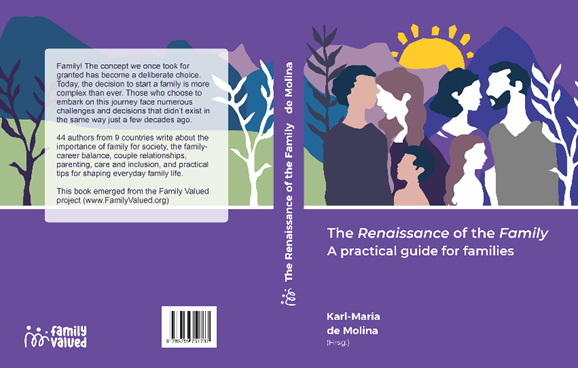
More Information in the book: https://backup.hellas-media.gr/en/renaissance-der-familie-2/
#familyvalued #Therenaissanceofthefamily #FamilyCareerBalance #Kindergarden #Care #Inclusion #Strongfamilies ##worklifebalance #Motherhood #demography #familyandsociety #couplerelationship #parenting #grandparents #CareWork #Parenting #Parenthood #Carework #WorkFamilyEnrichment #Parenting #RaisingChildren #Mindset #Family #ParentingSkills #Relationship