

Caring for a relative with a disability is a demanding task that requires significant time, energy, and dedication. Parents who take on this responsibility risk neglecting their own health. However, with a structured approach and clear strategies, you can avoid overwhelm and provide the best possible support for both yourself and your loved ones.
1. Stay Informed
The first step to creating a successful care plan is knowledge. Gather information about your relative’s disability and the associated challenges. The more informed you are, the easier it will be to make decisions and identify problems early. Exchange ideas with other family members and professionals to gain a comprehensive understanding.
2. Seek Support
Caregiving is not a task you have to handle alone. Friends, family, neighbours, or local support groups can help. Consider which tasks you can delegate – whether it’s childcare, household chores, or errands. Online or local self-help groups provide a platform for sharing experiences and receiving emotional support.
3. Prioritise Self-Care
Your health is just as important as your loved one’s. Make sure not to neglect yourself:
- Schedule regular breaks, even if they’re just short moments like a walk or a relaxing bath.
- Ensure sufficient sleep, a healthy diet, and physical activity.
- Don’t ignore signs of exhaustion or illness. Seek medical help if needed.
“Caring for myself is not self-indulgence. It is self-preservation.”
– Audre Lorde
4. Create Balance Within the Family
A family member with a disability often requires special attention. However, it’s essential to consider the needs of all family members. Spend intentional time with other children and your partner to strengthen family dynamics.
“Balance is not something you find; it’s something you create.”
– Jana Kingsford
5. Use Respite Care
“Respite care” refers to short-term, temporary care for individuals with disabilities provided by external professionals. This support allows you to rest and recharge.
6. Develop Emergency Plans
Emergencies such as natural disasters or sudden illnesses can present unique challenges. Create a plan to ensure your relative is well cared for in such situations. Keep essential documents ready and familiarise yourself with local resources.
7. Promote Empowerment
Help your loved one be as independent as possible. Encourage them to make their own decisions and take on responsibilities, as much as their situation allows. Celebrate milestones together to boost their confidence.
“Care is an act of love, not duty.”
Conclusion
Caring for a relative with a disability is a challenging but also fulfilling task. With a clear plan that considers both your loved one’s needs and your own health, you can avoid overwhelm and create a positive caregiving environment. Remember: you don’t have to do it all on your own. Support is always available – you just need to ask for it.
Reflection Questions: Caregiving and Self-Care
- Which of the tips or strategies presented in the article could personally help you avoid overwhelm in your caregiving situation?
- How well are you currently taking care of your physical and mental health? What steps could you take to improve your self-care?
- What support could you receive from family, friends, or external services to ease your caregiving responsibilities?
Your Opinion?
Author
Dr. Karl-Maria de Molina
CEO & Co-Founder ThinkSimple.io
Project Manager and Chairman of Family Valued
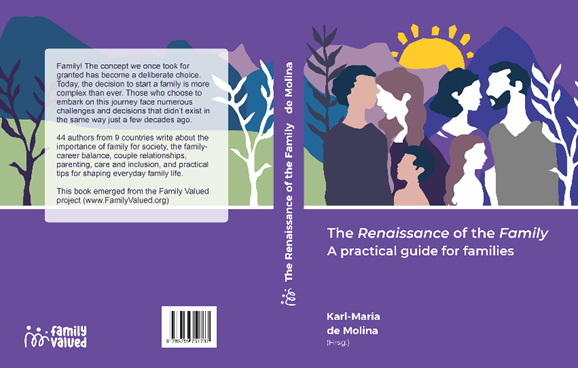
More Information in the book: https://backup.hellas-media.gr/en/renaissance-der-familie-2/
#familyvalued #Therenaissanceofthefamily #FamilyCareerBalance #Kindergarden #Care #Inclusion #Strongfamilies ##worklifebalance #Motherhood #demography #familyandsociety #couplerelationship #parenting #grandparents #CareWork #Parenting #Parenthood #Carework #WorkFamilyEnrichment #Parenting #RaisingChildren #Mindset #Family #ParentingSkills #Relationship