

Loneliness is no longer a marginal issue. In a world that is more interconnected than ever, many people feel alone – teenagers, parents, and grandparents alike. Loneliness does not simply mean being alone. It arises when our social needs are unmet, when we feel emotionally unseen, misunderstood, or disconnected. Paradoxically, the more we are “connected” online, the greater the inner distance can become.
However, loneliness is not solely negative. It serves as a signal – often a painful one – showing us what we lack: closeness, resonance, belonging, meaning. Those who listen carefully can draw strength from loneliness to initiate change: deepening relationships, daring to form new bonds, examining habits, and adjusting life rhythms.
What Loneliness Does to Us
Psychological effects:
Loneliness can impair mood, damage self-esteem, foster rumination, and exacerbate stress. Psychologist John Cacioppo, a pioneer in loneliness research, described loneliness as a “social pain signal” designed – much like physical pain – to motivate action.
Physical effects:
Chronic loneliness is associated with elevated stress hormone levels, sleep disturbances, and an increased risk of cardiovascular diseases. “Loneliness acts like a risk factor – silent, insidious, yet effective,” says clinical psychologist Julianne Holt-Lunstad.
Social effects:
Those who feel lonely often withdraw further. This creates a vicious cycle: fewer contacts, greater insecurity, more withdrawal. Breaking this cycle is key to fostering resilience.
1. Adolescents: Between Self-Discovery and Social Media
Transitions:
School changes, first romantic relationships, and academic pressure all create uncertainty. Who am I? Where do I belong?
Digital comparison:
Social media can offer a sense of community but also intensify feelings of exclusion. “Comparison is the thief of connection,” Brené Brown aptly states: when self-worth depends on likes, genuine closeness becomes harder to achieve.
Protective factors:
- Reliable offline relationships: Clubs, music, sports, volunteering – places where one is regularly acknowledged.
- Micro-courage: Daily small real-life interactions (e.g., talking to a schoolmate, forming a study group).
- Media hygiene: Clear time limits for social media, screen-free nights, and digital detox periods.
2. Parents: Between Care, Responsibility, and Quiet Exhaustion
Invisible loneliness:
Parents are surrounded by people, yet often feel lonely. Reasons include sleep deprivation, balancing work and family, reduced time for friendships, and the constant need to “function.”
Partnerships:
Differing burdens can create distances. “Marital connection is built in the small moments of attention,” emphasises relationship researcher John Gottman.
Protective factors:
- Rituals of closeness: 10-minute conversations without phones, shared walks, weekly Sunday reflections.
- Activating networks: Parent groups, neighbourhood support, mentoring models – giving and receiving help.
- Self-care without guilt: Small, regular “islands” (reading, exercise, breathing breaks). A stable caregiver is the best prevention against family loneliness.
3. Grandparents: Between Life Experience and Quiet Transitions
Life changes:
Retirement, the loss of partners or friends, and health limitations can all reduce social opportunities.
Meaning and contribution:
Feeling needed fosters connection. As psychologist Viktor Frankl suggests: “Meaning generates belonging.” Those who have a purpose can endure almost any challenge.
Protective factors:
- Opportunities to share: Reading to grandchildren, passing on crafts, sharing family stories – bonds are formed through shared time.
- Facilitating participation: Accessible gatherings, transport services, telephone circles, senior groups, digital sessions with guidance.
- Health-oriented routines: Walking, group activities (cardiac sports, choirs), regular appointments as social anchors.
What Families Can Practically Do
Weekly family check-in:
Three questions for everyone:
- What brought me joy?
- What was challenging?
- Where do I wish for support?
Rule: No unsolicited advice – first mirror and understand.
Fostering three types of closeness:
- Everyday closeness: Small gestures – a glance, a touch, an “I see you.”
- Conversational closeness: 15 minutes of undistracted listening.
- Meaningful connection: Joint projects with purpose (gardening, charity work, neighbourhood assistance).
Micro-appointments:
Better small and reliable than large and infrequent: weekly phone calls with grandparents, shared cooking evenings, regular walks.
Digital with moderation, analogue with heart:
Family messenger groups are helpful – but they do not replace real conversations. Touch and presence: hugs reduce stress and promote bonding. Conscious presence – not scrolling while talking – is a powerful antidote to loneliness.
Courage to take the initiative:
Loneliness softens when we take the first step: asking if someone has time, trying out new groups, “just stopping by” at a club. Rejection is possible, but connection requires risk.
When Loneliness Becomes Entrenched: Warning Signs and Help
Warning signs:
Persistent withdrawal, sleep disturbances, rumination, hopelessness, lack of motivation, physical complaints without medical findings.
First steps:
- A: Contact a GP or psychological counsellor.
- B: Use telephone and chat counselling services.
- C: Plan a daily structure: set times for meals, exercise, social contacts.
- D: Small exposure tasks: a brief social interaction daily (e.g., bakery, neighbour, club enquiry).
- E: For relatives: low-threshold invitations, clear agreements (“I’ll pick you up at 4 pm”), regular short visits instead of infrequent long ones.
Hope and Perspective
Loneliness is a silent companion – but it need not direct our lives. It invites us to articulate our needs more clearly: closeness, resonance, meaning. Families are a unique sanctuary in this regard. Where people perceive each other, vulnerability and strength can coexist.
“Connection begins where we show ourselves as we are – not as we should be” (Brené Brown).
Selected Quotes from Psychologists
- John Cacioppo: “Loneliness is a biological alarm system signalling that you need connection.”
- Julianne Holt-Lunstad: “Social relationships are not a luxury – they are a central health factor.”
- John Gottman: “Closeness is created when we respond to the small signals of others.”
- Viktor E. Frankl: “Those who have a why to live can bear almost any how.”
- Brené Brown: “Connection is the feeling of being seen, heard, and valued.”
Some Practical Resources for Further Reading
- John T. Cacioppo & William Patrick: Loneliness – Human Nature and the Need for Social Connection (A book on the psychology and biology of loneliness).
- Julianne Holt-Lunstad: Research on social relationships and health (e.g., meta-analyses on mortality and loneliness).
- John Gottman: The Seven Principles for Making Marriage Work (Micro-moments of connection).
- Brené Brown: Daring Greatly (Shame, courage, and genuine connection).
- Viktor E. Frankl: Man’s Search for Meaning (Meaning and resilience in crises).
Reflection Questions
- In which moments of my life have I felt lonely – and what helped me reconnect?
Reflect on which strategies or individuals played a role during these times.
- How can I actively contribute to reducing loneliness in myself or those around me?
Consider small steps, such as reaching out or planning shared activities, that could help.
- Which habits or digital behaviours might strengthen or weaken my social relationships?
Think about how digital media influences your connections and whether analogue alternatives could foster greater closeness.
Your Opinion?
Author
Dr. Karl-Maria de Molina
CEO & Co-Founder ThinkSimple.io
Project Manager and Chairman of Family Valued
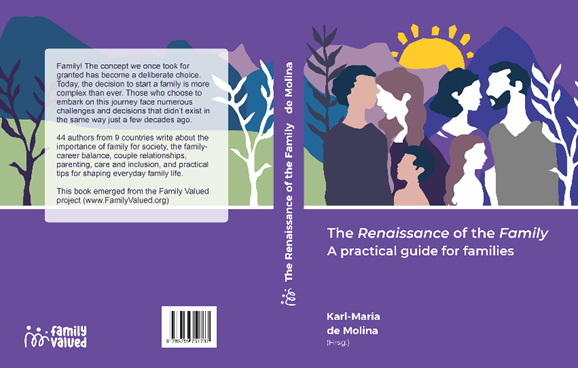
More Information in the book: https://backup.hellas-media.gr/en/renaissance-der-familie-2/
#familyvalued #Therenaissanceofthefamily #FamilyCareerBalance #Kindergarden #Care #Inclusion #Strongfamilies ##worklifebalance #Motherhood #demography #familyandsociety #couplerelationship #parenting #grandparents #CareWork #Parenting #Parenthood #Carework #WorkFamilyEnrichment #Parenting #RaisingChildren #Mindset #Family #ParentingSkills #Relationship