

Raising children without controlling them is one of the most significant challenges for parents. It requires courage, trust, and the ability to let go – while also conveying clear values and boundaries. The key lies in striking a balance between freedom and responsibility. This article explains how parents can raise their children to become confident and independent individuals without losing control.
Especially in large families, parents and grandparents must observe the following aspects, as they are of utmost importance.
1. Trust as the Basis of Parenting
Trust is the foundation of every healthy parent-child relationship. When children feel that their parents trust them to make their own decisions, they develop self-confidence and a sense of responsibility.
Practical Tips:
- Show trust: Assign your child age-appropriate tasks and decisions, such as choosing their clothes or organising their homework.
- Allow mistakes: Trust also means accepting errors. Children learn from their experiences and develop problem-solving skills.
“Trust is the foundation on which children grow. Without trust, they cannot take responsibility.”
2. Grant Freedom – But with Clear Boundaries
Freedom does not mean that children can do whatever they like. Clear rules and boundaries are necessary to provide guidance and create a sense of security.
Practical Tips:
- Set rules together: Involve your children in creating family rules. This way, they feel taken seriously and better understand why the rules are essential.
- Consequences instead of punishments: Instead of punishing, parents should allow natural consequences. For example, if a child doesn’t do their homework, they will face the consequences at school.
“Freedom without boundaries leads to chaos, control without freedom leads to rebellion. The art lies in balancing both.”
3. Encouraging Responsibility through Participation
Children who learn to take responsibility early on develop healthy self-esteem and an understanding of the consequences of their actions. Parents can encourage this by actively involving their children in decision-making.
Practical Tips:
- Make family decisions together: Whether it’s planning the weekend or deciding on dinner, let your children have a say.
- Strengthen self-reliance: Give your child the opportunity to take responsibility for their own projects, such as caring for a pet or saving for a personal goal.
“When children are allowed to take responsibility, they not only develop independence but also respect for the needs of others.”
4. Communication at Eye Level
Open and respectful communication is essential to building and maintaining trust. Children should feel that their opinions and feelings are taken seriously.
Practical Tips:
- Active listening: Listen to your child attentively without interrupting or judging them.
- Validate feelings: Show understanding for your child’s emotions, even if you don’t always agree with them.
“Children need parents who listen, not those who only give orders.”
5. Learning to Let Go
One of the most challenging steps for parents is letting go and trusting their children, even when they make mistakes. However, these mistakes are crucial for personal development.
Practical Tips:
- Grant freedoms gradually: Expand your child’s scope of action depending on their age and maturity.
- Encourage independence: Motivate your child to find their own solutions to problems instead of intervening immediately.
“Only by letting go do you give your child the opportunity to grow.”
Conclusion
Raising children with trust means giving them the freedom to make their own decisions while providing clear boundaries for guidance. It requires patience, courage, and the willingness to see mistakes as opportunities for learning. Parents who find this balance not only foster their children’s independence but also create a relationship based on respect and trust.
Reflection Questions:
- How much trust do I currently place in my child, and in which areas could I give them more freedom?
(Guidance: Evaluate the balance between control and trust.)
- Where do I set clear boundaries, and how do I explain their importance to my child?
(Guidance: Make rules understandable and meaningful.)
- In which situations could I give my children more responsibility to strengthen their independence?
(Guidance: Focus on fostering responsibility and learning to let go.)
Your Opinion?
Author
Dr. Karl-Maria de Molina
CEO & Co-Founder ThinkSimple.io
Project Manager and Chairman of Family Valued
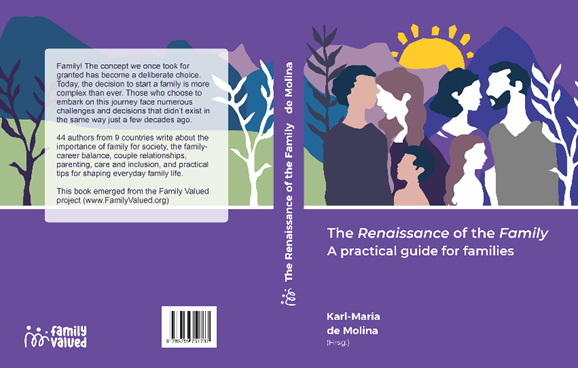
More Information in the book: https://backup.hellas-media.gr/en/renaissance-der-familie-2/
#familyvalued #Therenaissanceofthefamily #FamilyCareerBalance #Kindergarden #Care #Inclusion #Strongfamilies ##worklifebalance #Motherhood #demography #familyandsociety #couplerelationship #parenting #grandparents #CareWork #Parenting #Parenthood #Carework #WorkFamilyEnrichment #Parenting #RaisingChildren #Mindset #Family #ParentingSkills #Relationship